








- Tin
- Titanium Alloys
- Tribaloy®
- Tungsten
- Tungsten Carbide
- Ultimate®
- Vanadium
- Vanadium Permendur
- Yttrium
- Zinc
- Zircaloy®
- 253MA® Alloy
- 254SMO® Alloy
- 654SMO® Alloy
Aircraft Alloys — High-performance aerospace alloys engineered for demanding applications requiring exceptional strength-to-weight ratios, fatigue resistance, corrosion resistance, and elevated-temperature performance.
Alloy Steel — Carbon steels alloyed with elements such as chromium, nickel, molybdenum, and manganese to improve strength, hardness, toughness, wear resistance, and heat-treatment response.
Aluminum — Lightweight, corrosion-resistant metal offering an excellent combination of strength, machinability, formability, and thermal and electrical conductivity for a wide range of industrial applications.
Alloys — Engineered metallic materials combining two or more elements to achieve specific mechanical, thermal, electrical, or corrosion-resistant properties beyond those of individual metals.
Antimony — A brittle, silvery metalloid primarily used as an alloying element to improve hardness, strength, wear resistance, and flame-retardant performance in specialized industrial applications.
Anviloy® — A specialized tungsten-based alloy known for exceptional hardness, wear resistance, dimensional stability, and high-temperature performance in demanding tooling and industrial applications.
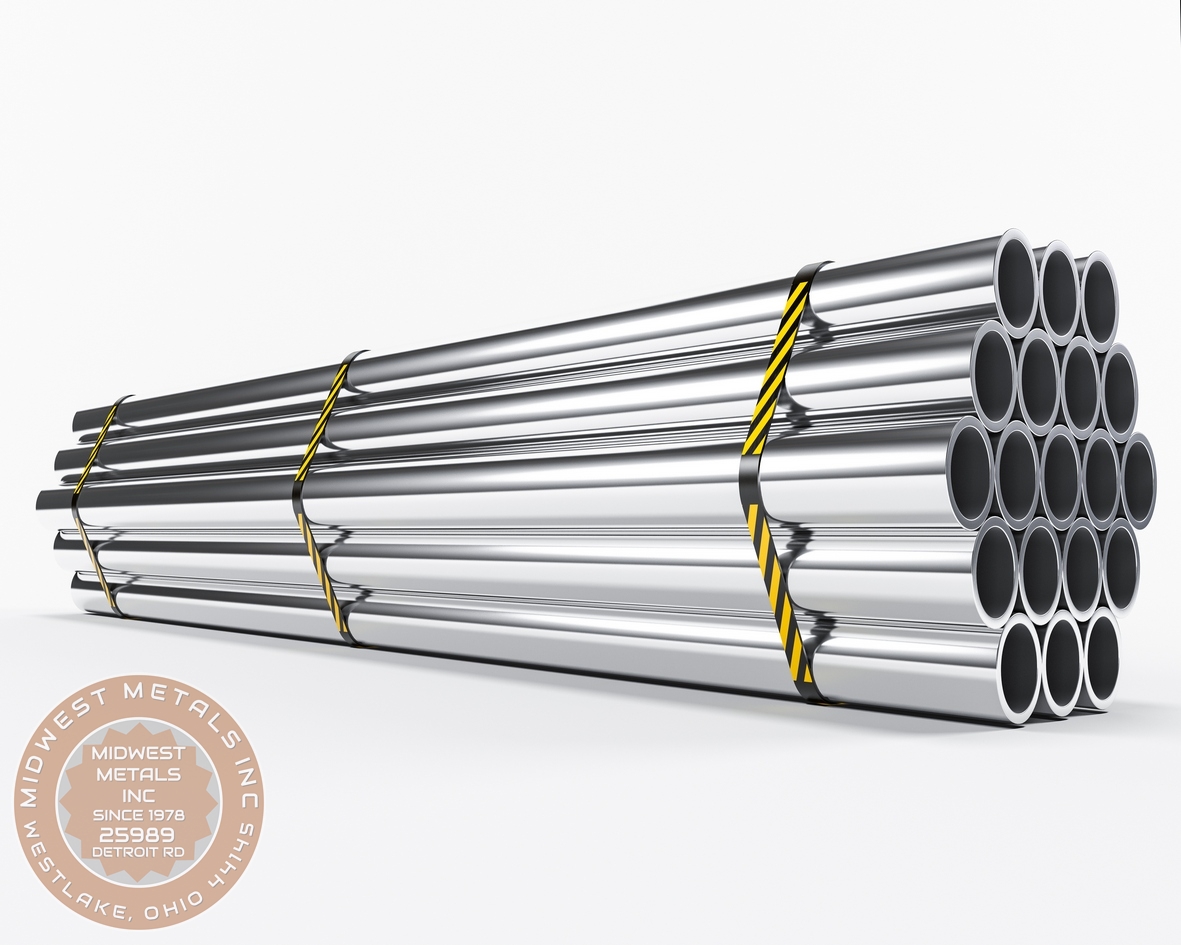
API Pipe — Pipe manufactured to meet American Petroleum Institute (API) specifications for oil and gas applications, providing controlled mechanical properties, dimensional accuracy, and resistance to demanding service conditions.
Aquamet Alloys — High-strength, corrosion-resistant stainless steel alloys designed for marine and industrial environments, offering excellent resistance to seawater, cavitation, erosion, and mechanical wear.
Astroloy™ — A nickel-based precipitation-hardening superalloy developed for high-temperature applications, providing excellent creep strength, fatigue resistance, oxidation resistance, and structural stability.
Bimetal materials combine two different metals or alloys to achieve complementary properties, such as improved wear resistance, conductivity, strength, or corrosion performance. They are commonly used in specialized industrial and engineering applications.
Bismuth is a dense, relatively low-melting metal known for its excellent machinability, low toxicity compared with many heavy metals, and unique physical properties. It is used in specialty alloys, machining applications, and metallurgical processes.
Boron is a hard, lightweight metalloid used primarily as an alloying element. Small additions of boron can significantly improve the hardenability, strength, and wear resistance of steels and other advanced materials.
Boron nitride is an advanced ceramic material available in hexagonal, cubic, and other forms. It offers excellent thermal stability, electrical insulation, lubricity, and resistance to chemical attack, making it valuable in high-temperature and demanding industrial applications.
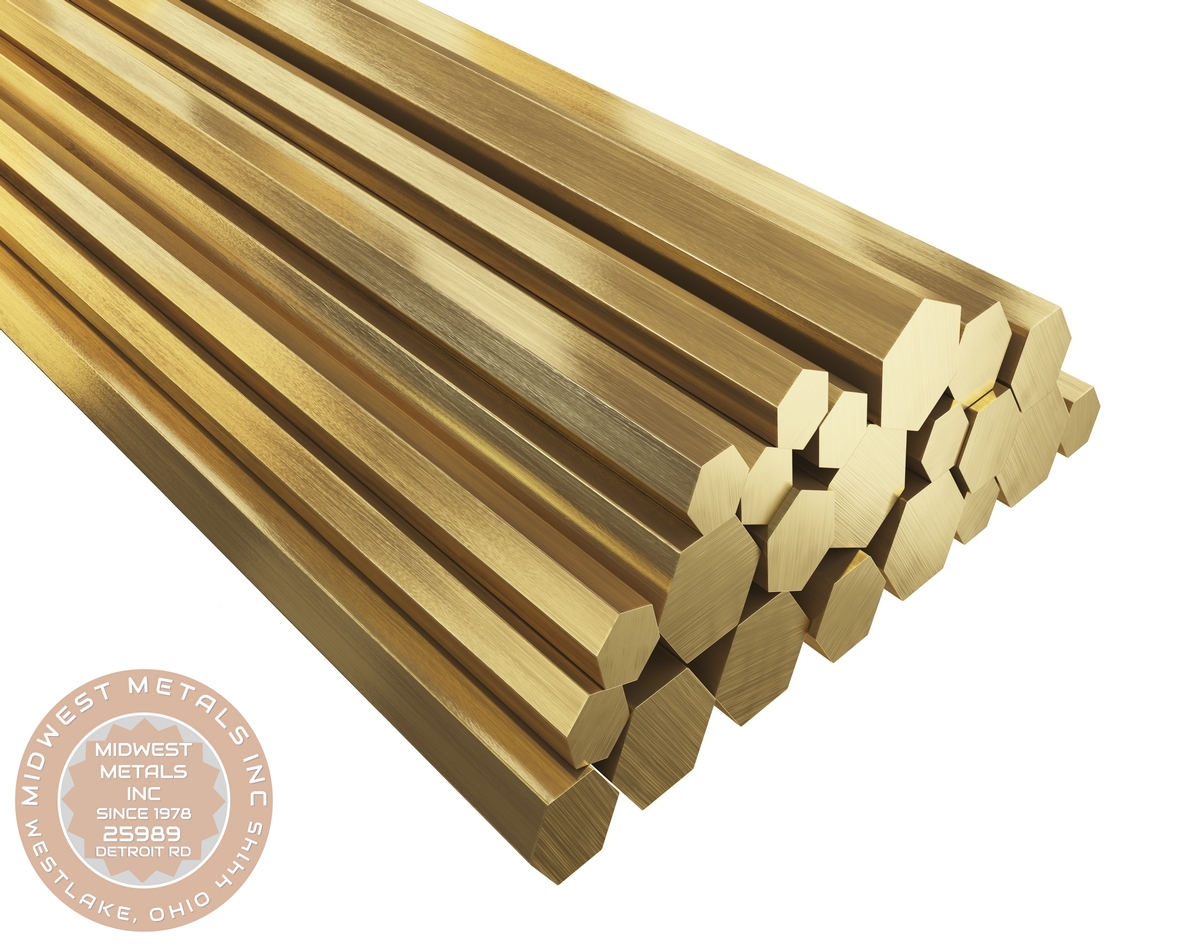
Brass alloys are copper-zinc materials known for excellent machinability, corrosion resistance, ductility, and electrical and thermal conductivity. Different compositions are available to meet requirements for machining, fabrication, plumbing, electrical, and industrial applications.
Bronze alloys are primarily copper-based materials alloyed with elements such as tin, aluminum, silicon, or phosphorus. They provide excellent wear resistance, corrosion resistance, strength, and low-friction characteristics for bearings, bushings, gears, and other industrial components.
Cadmium is a soft, silvery-white metal with excellent corrosion resistance and favorable electrochemical properties. It is primarily used in specialized plating, coatings, batteries, and aerospace applications where controlled material performance is required.
Carbon steel is an iron-based alloy in which carbon is the principal alloying element. It offers a broad range of strength, hardness, machinability, and weldability, making it one of the most widely used materials for structural, mechanical, fabrication, and industrial applications.
Carbon steel is an iron-based alloy in which carbon is the principal alloying element. It offers a broad range of strength, hardness, machinability, and weldability, making it one of the most widely used materials for structural, mechanical, fabrication, and industrial applications.
Carpenter 20™ is a nickel-iron-chromium alloy developed for exceptional resistance to corrosion, particularly in sulfuric acid and other aggressive chemical environments. It combines corrosion resistance with good mechanical properties and fabricability for demanding chemical-processing applications.
Cobalt is a hard, high-temperature-resistant metal valued for its strength, wear resistance, and magnetic properties. It is widely used in superalloys, cutting tools, high-temperature components, and other applications requiring reliable performance under severe operating conditions.
Columbium, also known as niobium, is a refractory metal characterized by high melting temperature, strength, and corrosion resistance. It is used as an alloying element in steels and superalloys and in specialized aerospace, energy, and high-temperature applications.
Copper alloys combine copper with elements such as zinc, tin, nickel, aluminum, or silicon to enhance specific properties. These alloys provide excellent electrical and thermal conductivity, corrosion resistance, strength, and machinability for a wide range of industrial applications.
A nickel-based alloy known for excellent corrosion resistance and high-temperature performance. It is suitable for demanding industrial, chemical processing, and engineering applications.
A silicon bronze alloy offering excellent corrosion resistance, strength, and wear resistance. It is commonly used for marine components, fasteners, fittings, and architectural applications.
A high-performance super duplex stainless steel combining high strength with exceptional resistance to pitting, crevice corrosion, and stress corrosion cracking. It is widely used in marine, chemical, and oil & gas applications.
A soft, silvery metal with a low melting point and excellent electronic properties. It is primarily used in semiconductors, optoelectronic devices, LEDs, and specialized electronic applications.
A hard, brittle metalloid with important semiconductor and optical properties. It is used in fiber-optic systems, infrared optics, electronics, and high-performance semiconductor applications.
A highly conductive, ductile, and corrosion-resistant precious metal. Its excellent electrical and chemical stability makes it valuable for electronics, connectors, aerospace components, and specialized industrial applications.
A refractory metal with excellent high-temperature strength, corrosion resistance, and thermal stability. It is used in aerospace, nuclear, semiconductor, and high-temperature engineering applications.
A high-strength cobalt-based alloy designed for applications requiring exceptional strength, fatigue resistance, and dimensional stability. It is commonly used in precision components and demanding mechanical applications.
A family of nickel- and cobalt-based superalloys engineered for exceptional strength, oxidation resistance, and corrosion resistance at elevated temperatures. These alloys serve aerospace, energy, chemical processing, and industrial applications.
High Strength Low Alloy (HSLA) – A family of carbon steels alloyed with small amounts of elements to achieve higher strength, toughness, and corrosion resistance than conventional carbon steel. HSLA steels are widely used in structural, transportation, and industrial applications.
A nickel-based alloy engineered for demanding high-temperature and corrosion-resistant applications. It provides reliable mechanical performance in aggressive industrial environments.
A family of nickel-based superalloys offering excellent strength, oxidation resistance, and corrosion resistance at elevated temperatures. Inconel alloys are widely used in aerospace, chemical processing, power generation, and oil & gas applications.
A soft, silvery metal with excellent electrical conductivity and a low melting point. It is widely used in electronics, semiconductors, coatings, solders, and transparent conductive applications.
A dense, hard, and highly corrosion-resistant platinum-group metal with exceptional stability at high temperatures. It is used in specialized electrical, chemical, aerospace, medical, and high-temperature applications.
A lightweight, highly reactive alkali metal with excellent electrochemical properties. It is primarily used in rechargeable batteries, specialty alloys, ceramics, glass, and advanced energy-storage technologies.
Lightweight alloys offering an excellent strength-to-weight ratio, good machinability, and vibration-damping properties. Commonly used in aerospace, automotive, and industrial applications.
A metallic element primarily used as an alloying addition to improve steel strength, hardness, and wear resistance. It is also essential in the production of specialty steels and other alloys.
AUltra-high-strength, low-carbon iron-nickel alloys strengthened through age-hardening heat treatment. Known for excellent toughness, dimensional stability, and high mechanical strength.
A family of nickel-copper alloys known for excellent corrosion resistance, high strength, and reliable performance in marine, chemical processing, and industrial environments.
A proprietary high-performance alloy product designation associated with materials engineered for demanding service conditions. Specific properties and applications depend on the grade and composition supplied.
Nickel-iron alloys engineered for specific magnetic, thermal expansion, or electrical properties. Commonly used in precision instruments, electronic components, transformers, and specialized industrial equipment.
Nickel-based alloys, including Ni-Span-C® grades, designed to provide controlled elastic properties and, in certain grades, low thermal expansion. Used in precision springs, sensors, and temperature-sensitive components.
An alloy designation that should be verified against the manufacturer's specification to ensure accurate identification of its composition, mechanical properties, and industrial applications.
A copper alloy containing nickel and zinc, valued for its silvery appearance, corrosion resistance, and formability. Used in decorative components, electrical hardware, musical instruments, and precision parts.
A family of corrosion- and heat-resistant alloys, generally based on nickel, chromium, and other alloying elements. Designed for demanding chemical processing and high-temperature industrial applications.
A family of nickel-chromium-based superalloys engineered for high-temperature strength, oxidation resistance, and creep resistance. Commonly used in gas turbines, aerospace engines, and power-generation equipment.
A family of nitrogen-strengthened stainless steels offering high strength, corrosion resistance, and, in selected grades, excellent wear resistance. Used in marine, chemical processing, and industrial applications.
A precious metal with outstanding corrosion resistance, chemical stability, and high-temperature performance. Widely used in chemical processing equipment, laboratory applications, electrical contacts, and specialized industrial components.
A nickel alloy designation associated with commercially pure nickel materials. Known for corrosion resistance in selected environments, good ductility, and useful electrical and thermal properties. Confirm the specific grade for exact characteristics.
A copper-tin alloy containing phosphorus, valued for its strength, fatigue resistance, wear resistance, and spring properties. Commonly used in electrical contacts, springs, bearings, bushings, and precision components.
Rhenium is a rare, high-melting-point metal known for its excellent high-temperature strength, creep resistance, and performance in demanding aerospace and industrial applications.
Rhodium is a precious metal valued for its exceptional corrosion resistance, reflective finish, and catalytic properties. It is commonly used in plating, chemical processing, and specialized industrial applications.
Sanicro 28™ is a high-alloy austenitic stainless steel designed to provide excellent resistance to corrosion, pitting, and stress corrosion cracking in aggressive chemical and industrial environments.
Selenium is a metalloid used in glass manufacturing, electronics, metallurgy, and specialized chemical applications. It can improve the machinability of certain copper alloys and support specific industrial processes.
Silicon is a metalloid widely used in aluminum alloys, semiconductor manufacturing, and specialty industrial materials. In metallurgy, it can improve castability, strength, and oxidation resistance in selected alloys.
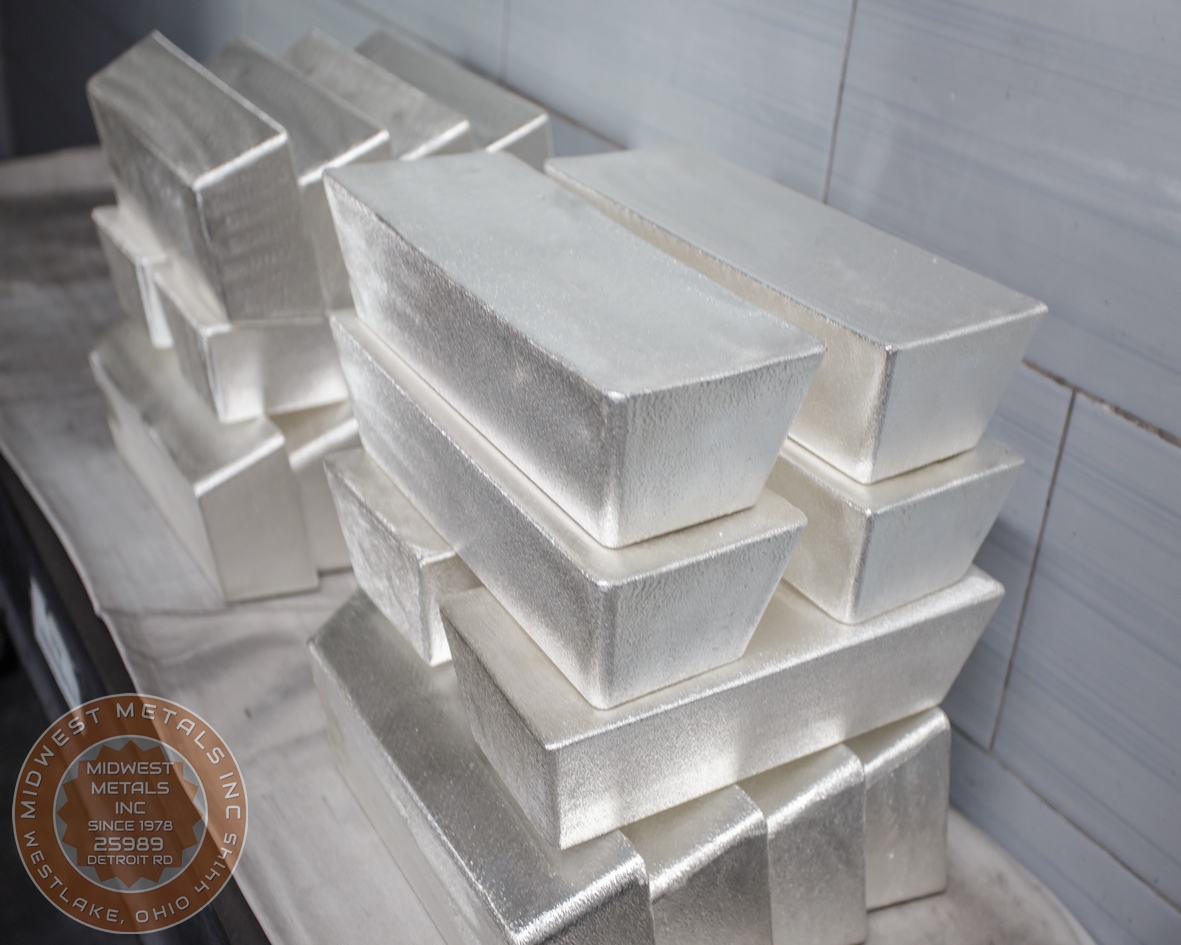
Silver is a precious metal known for its exceptional electrical and thermal conductivity, corrosion resistance, and workability. It is used in electrical contacts, electronics, brazing alloys, and specialized industrial applications.
Stainless steel is a corrosion-resistant steel alloy containing at least 10.5% chromium. Available in numerous grades and finishes, it offers a combination of durability, strength, and versatility for industrial, commercial, and manufacturing applications.
Stibium is the Latin name for antimony, a brittle metalloid used in specialized alloys, lead-acid battery components, flame-retardant formulations, and various industrial applications.
Superalloys are high-performance metallic materials engineered to maintain strength, stability, and corrosion resistance under extreme temperatures and demanding operating conditions. Commonly based on nickel, cobalt, or iron, they are widely used in aerospace, power generation, and chemical processing.
Thoriated Tungsten 2% is a tungsten electrode material containing approximately 2% thorium oxide (ThO₂). It offers good arc-starting characteristics, stable arc performance, and durability in TIG welding applications. Because thorium is radioactive, appropriate handling, ventilation, and applicable safety regulations must be observed.